

Documentary Film / Historical Research / Museum Exhibition
Stearns History Museum Four signs. Eighty minutes of local history.
Nichols WD created four documentary films exploring the histories behind signs from Frenchy’s Dinner Club, Kleis Motel, Cold Spring Brewing Company, and the Grand Mantel Saloon. Together, the films preserve the people, places, and memories represented by these pieces of Central Minnesota’s built environment.
- Client
- Stearns History Museum
- Production
- Four 20-minute documentaries
- Completed
The brief
Make the signs speak again.
A historic sign can survive long after the business behind it disappears. Without the stories surrounding it, however, it becomes little more than an object.
Stearns History Museum needed four documentaries that could sit alongside the signs and help visitors understand the businesses, buildings, people, and memories they represented.
The films were developed for the museum’s sign exhibition through its collaboration with AIA Minnesota’s North Star Story Map project. Each documentary ran for approximately 20 minutes and remained on display with the signs throughout the exhibition.
The challenge and response
Historical accuracy without a prepared script.
The challenge
There was no dedicated scriptwriting team handing us a finished narrative. The history was distributed across museum records, archived photographs, old newspaper articles, primary sources, and the memories of people connected to these places.
The response
We approached the work as researchers as well as filmmakers: locating useful material, comparing sources, conducting interviews, and shaping the strongest available information into four understandable documentary narratives.
The four films
Local landmarks remembered through the people who knew them.
Frenchy’s Dinner Club
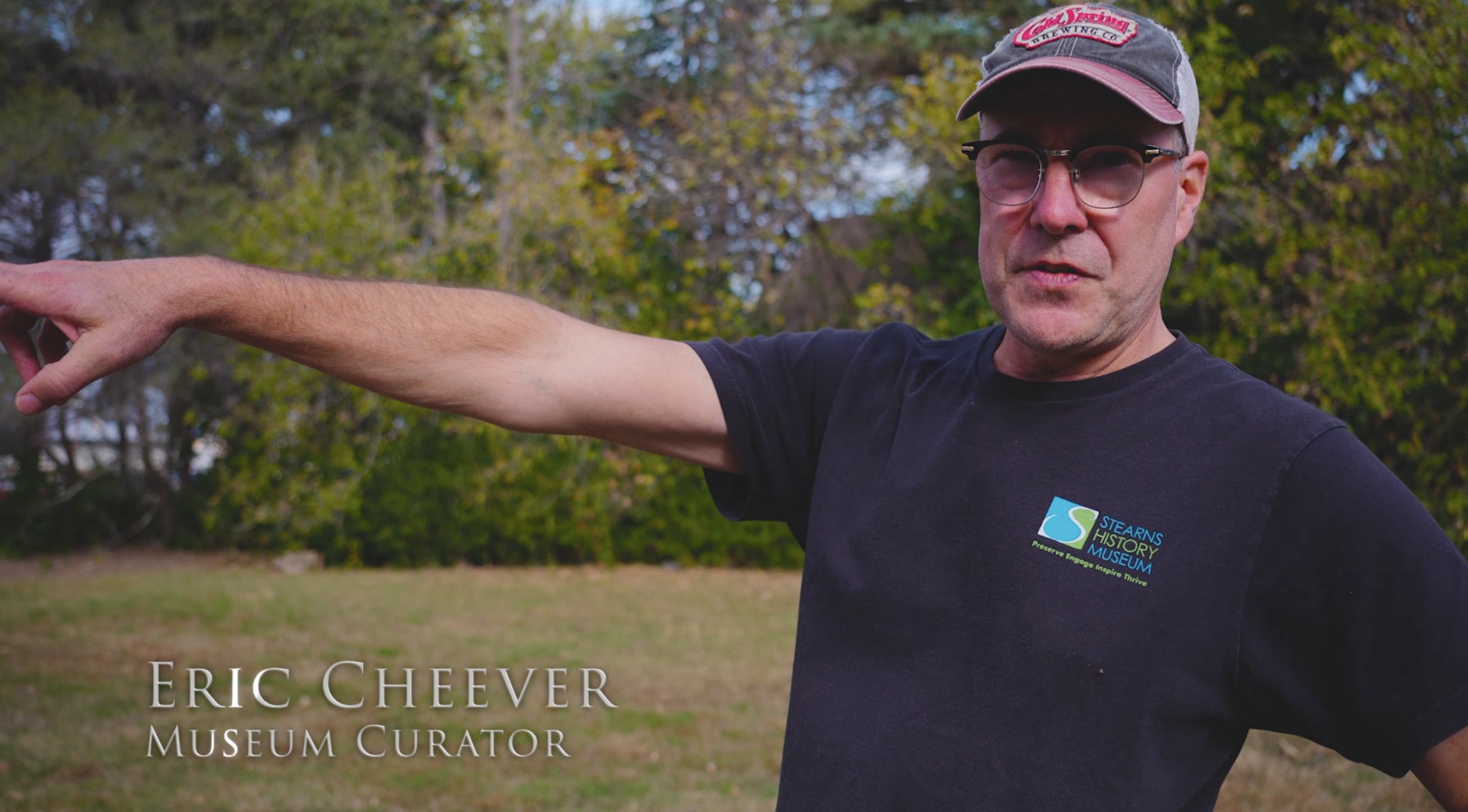
The story of a memorable St. Cloud restaurant and the distinctive sign that continued to hold a place in local memory after the business itself was gone. Museum curator Eric Cheever helped provide historical context for the film.
Kleis Motel
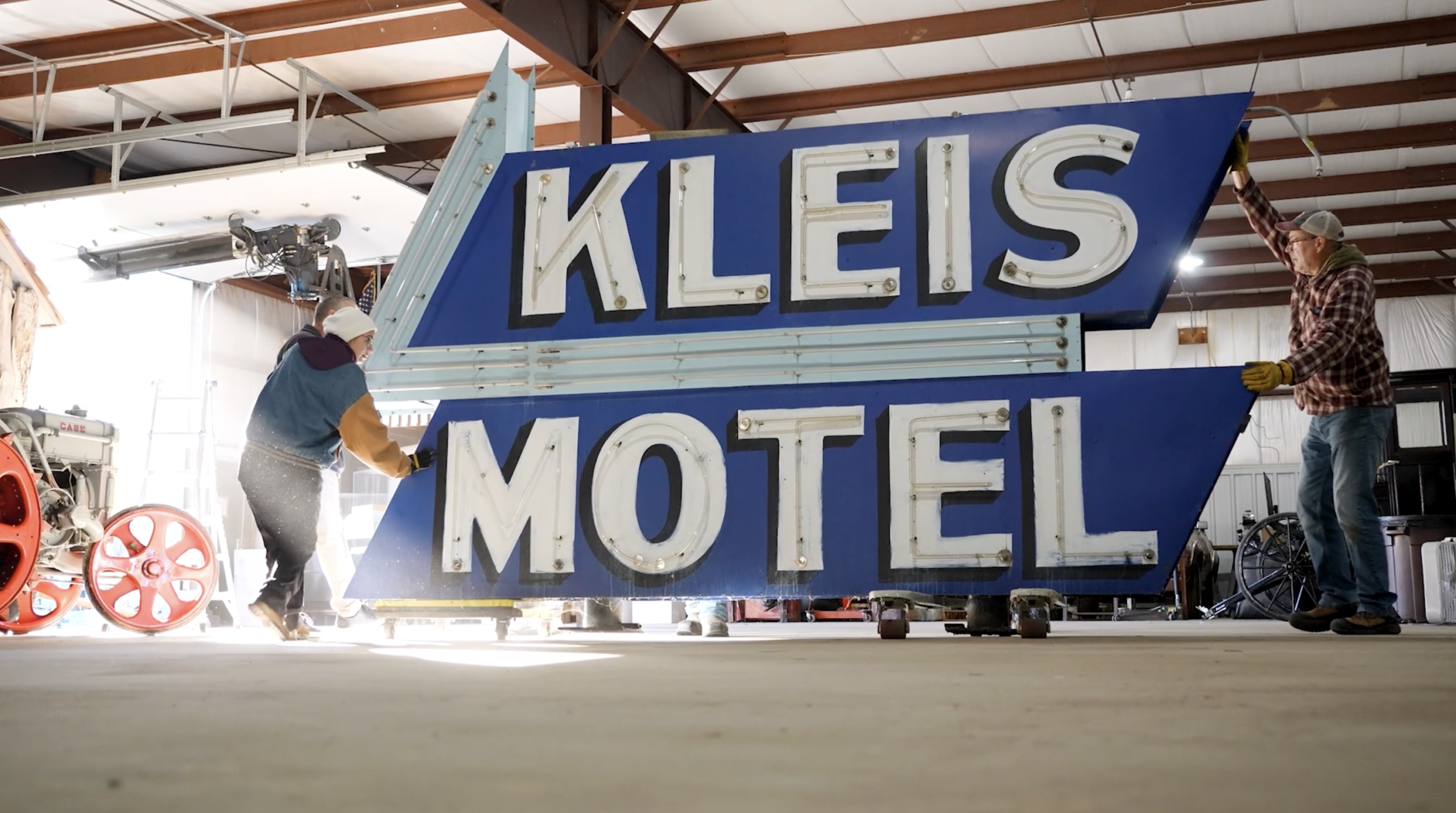
A look back at a motel that no longer exists and the enormous, fragile neon sign that survived it. The production followed the several-hundred-pound sign as it was moved from storage, transported to the museum, and raised onto its new structure. Members of the Nichols WD film crew also helped during the move.
Cold Spring Brewing Company
The story of a longstanding Cold Spring brewing tradition that continues today through Third Street Brewhouse. Dave Kleis recalled finding Cold Spring beer while serving in the Air Force in Washington—an unexpectedly personal connection to a familiar hometown name.
Grand Mantel Saloon
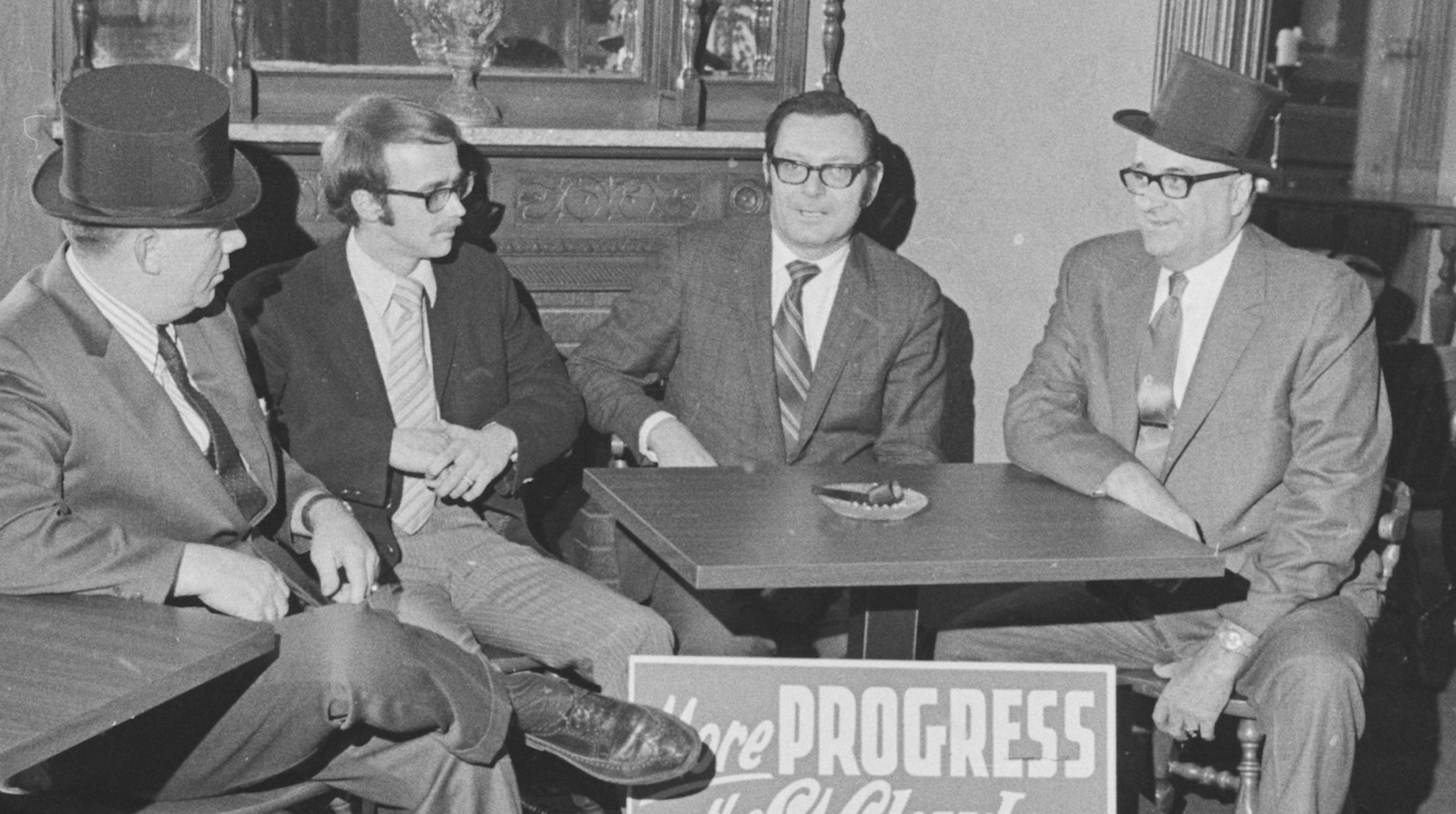
The history of a downtown St. Cloud gathering place, its memorable sign, and the building now occupied by MC’s Dugout. Archival imagery—including the saloon’s Chamber of Commerce grand opening—helped reconnect the present-day location with its earlier identity.
Inside the production
Research, interviews, archives, and one very large sign.

The production
A lean crew taking on a large story.
The production was built primarily around a Sony FX30 and a limited equipment package. The scale of the idea had to come from the work rather than the gear.
Each film required us to move between research, interviews, archival materials, location filming, and documentary editing. Instead of treating those as separate assignments, we used each stage to help clarify the next one.
Dave Kleis—who served as mayor of St. Cloud for 20 years—narrated the series. His familiarity with the region gave the films a recognizable local voice while interviews and archival materials brought each individual story into focus.
The outcome
History visitors could see, hear, and spend time with.
Four completed films
Each sign received its own documentary rather than becoming one brief segment in a broader overview.
Eighty minutes preserved
The finished series created approximately 80 minutes of researched local storytelling drawn from interviews, archives, photographs, and historical records.
Part of the exhibition
The documentaries were displayed alongside the signs, giving museum visitors the context needed to understand why these objects still mattered.